How to Realign Bunions Naturally: The Non-Surgical Biomechanics Protocol
By Dr. Marcus Vance, DPM • 18 Years Clinical Podiatry • Updated October 2026 • 10 min read
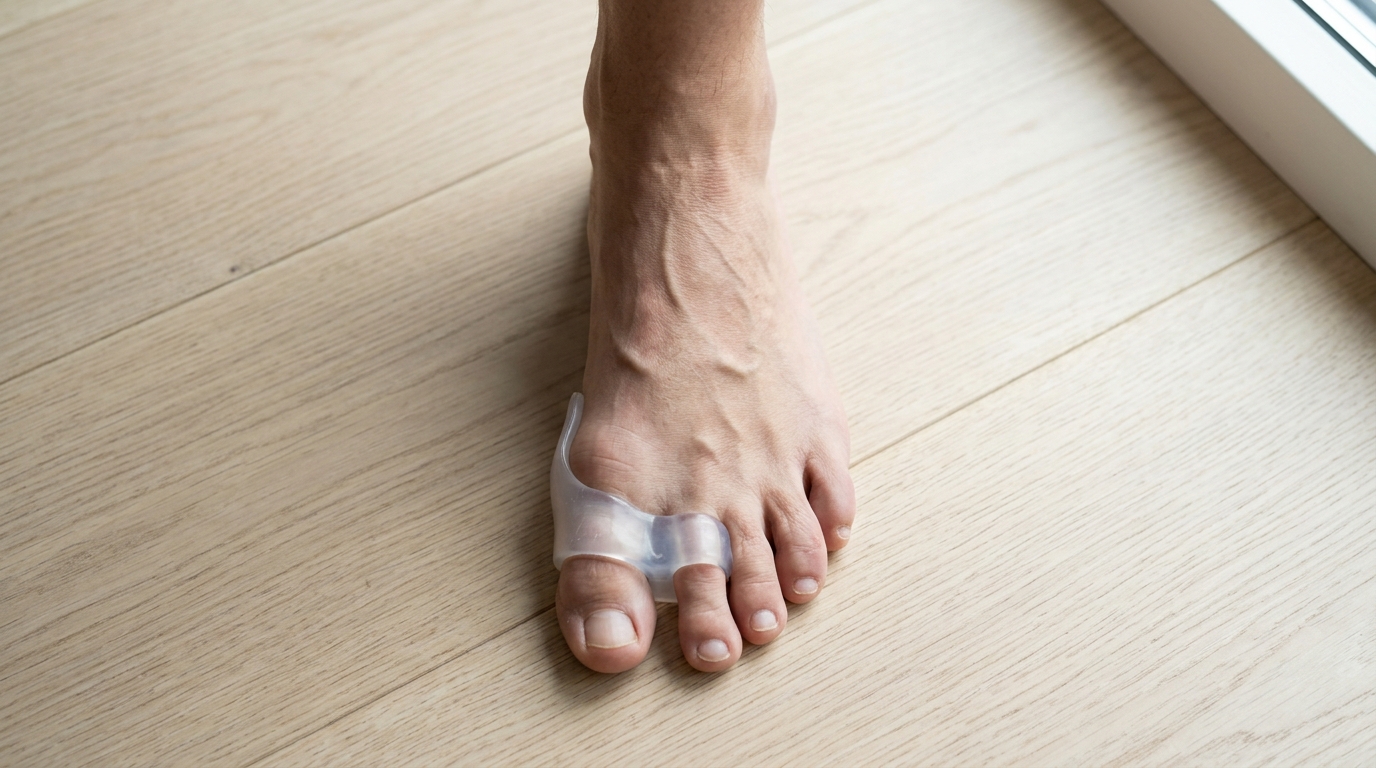
For over a century, conventional orthopedic medicine has treated bunions (hallux valgus) as a mysterious genetic curse requiring aggressive surgical excision, bone fracture (osteotomy), and titanium screws. Yet studies consistently demonstrate recurrence rates as high as 30% when patients return to the modern shoes that created the deformity in the first place.
A bunion is not an abnormal bone growth. It is a progressive joint subluxation driven by footwear with tapered toe boxes and elevated heels that squeeze the big toe inward, pulling the abductor hallucis muscle under the foot and pushing the first metatarsal head outward.
Phase 1: Removing the Deforming Force (The Shoe Shape Test)
No amount of stretching or spacing can overcome the 15,000 steps taken each day inside a rigid shoe that acts like a vice. Stand barefoot on a piece of paper, trace your bare foot with a pen, and place your daily shoe over the outline. If any part of your traced toes spills outside the shoe perimeter, that shoe is actively forcing your joint into subluxation.
Phase 2: Progressive Active Toe Spacing
Passive splints worn only at night in bed produce minimal lasting remodeling because bone adapts to dynamic weight-bearing load (Wolff's Law). Medical-grade silicone spacers worn inside wide toe box shoes while walking place the joint under tensile remodeling stress, reactivating the dormant abductor hallucis muscle and anchoring the medial longitudinal arch.
Hallux Valgus Angle & Toe Spacing Triage Evaluator
Assess metatarsophalangeal joint deviation, transverse arch load, and receive evidence-based conservative realignment recommendations.
Phase 3: Restoring the Windlass Mechanism & Arch Strength
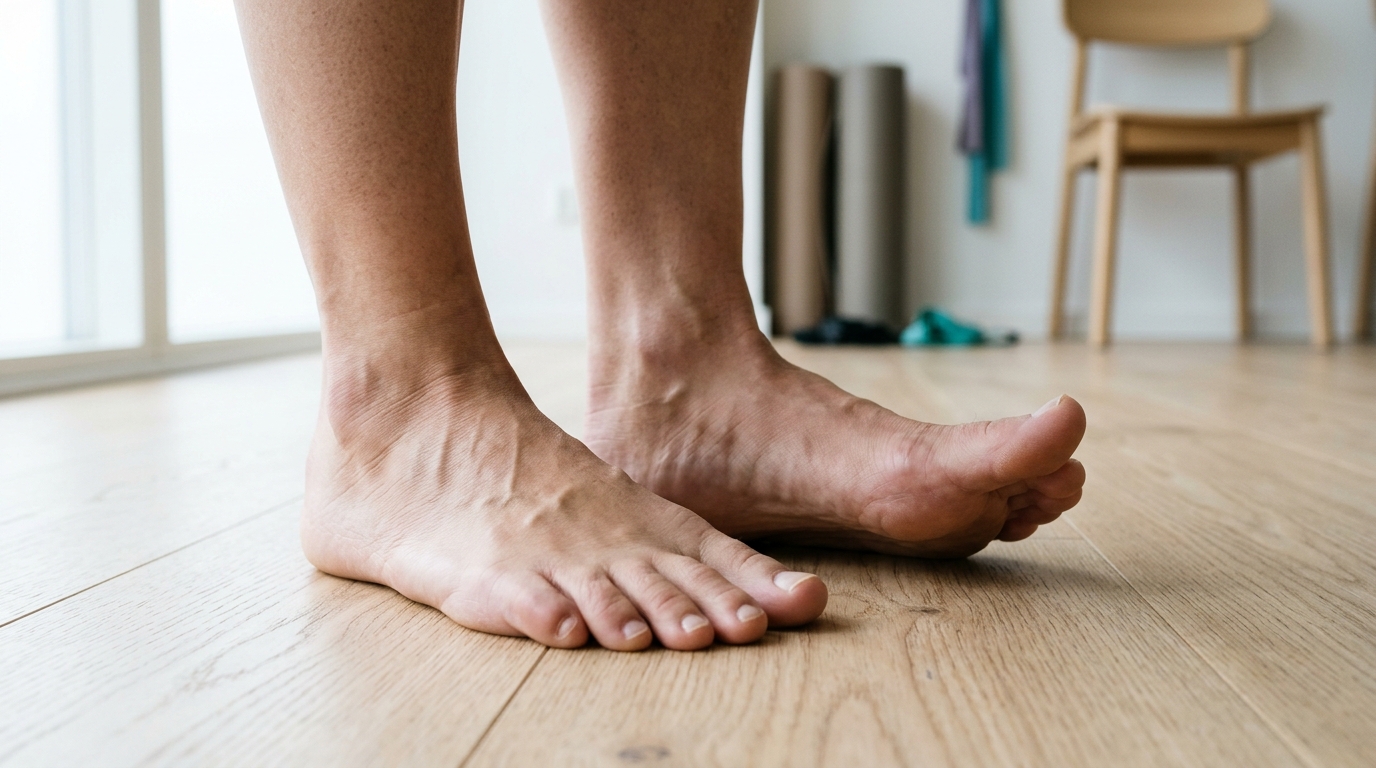
When the big toe splays naturally outward, the plantar fascia tightens efficiently during push-off through the anatomical windlass mechanism. Practice daily toe lifts: keep the four lesser toes planted flat while raising only the big toe, hold for 5 seconds, then alternate. This neuromuscular retraining stabilizes the joint permanently.